Before
Prepare the question
Faculty introduce the organization, site, or cultural setting and explain what students should look for based on the themes they are studying.
 Summit Global Education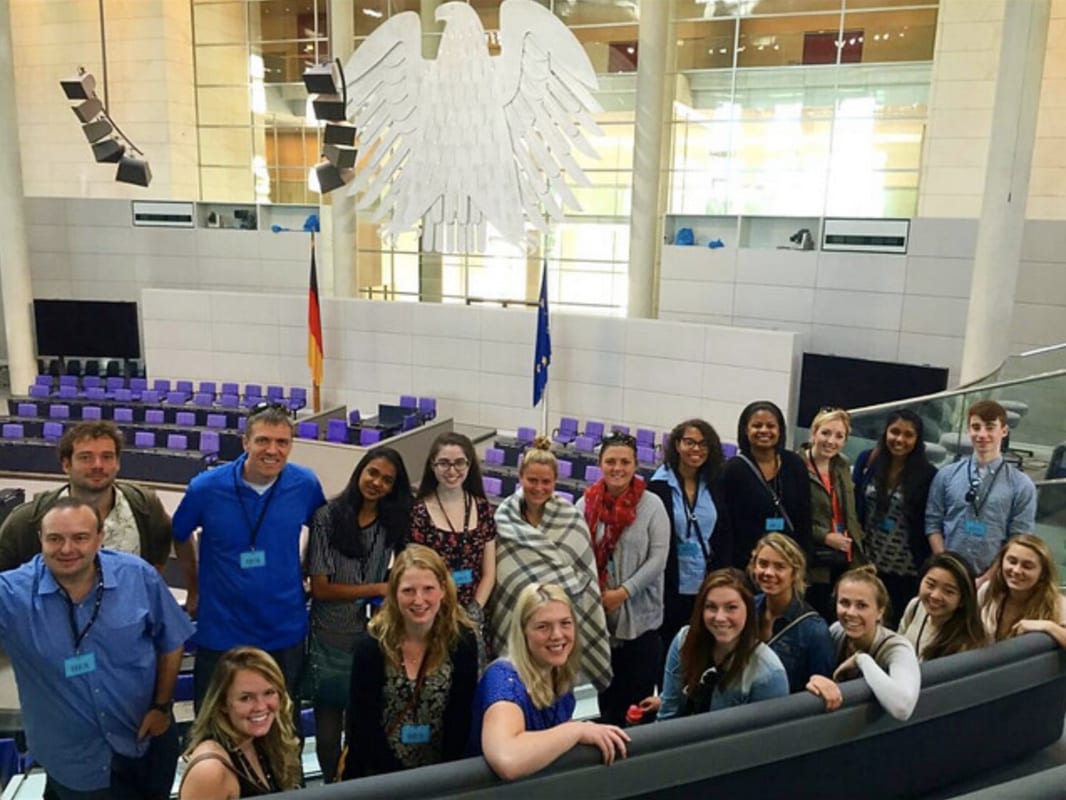
Professional & Cultural Visits
Summit Global Education builds professional and cultural visits into the course, giving students organizations, institutions, and city life to examine alongside their classroom studies.
Academic field learning
A company, institution, neighborhood, or cultural site is more valuable when students know what to look for. Summit uses visits to give students real examples they can discuss and write about in class.
Before
Faculty introduce the organization, site, or cultural setting and explain what students should look for based on the themes they are studying.
During
Students ask informed questions, take structured notes, and observe decisions, communication, and collaboration in context.
After
Students use their observations in faculty-led discussion, assignments, written reflection, and comparisons across cities.
Why visits matter
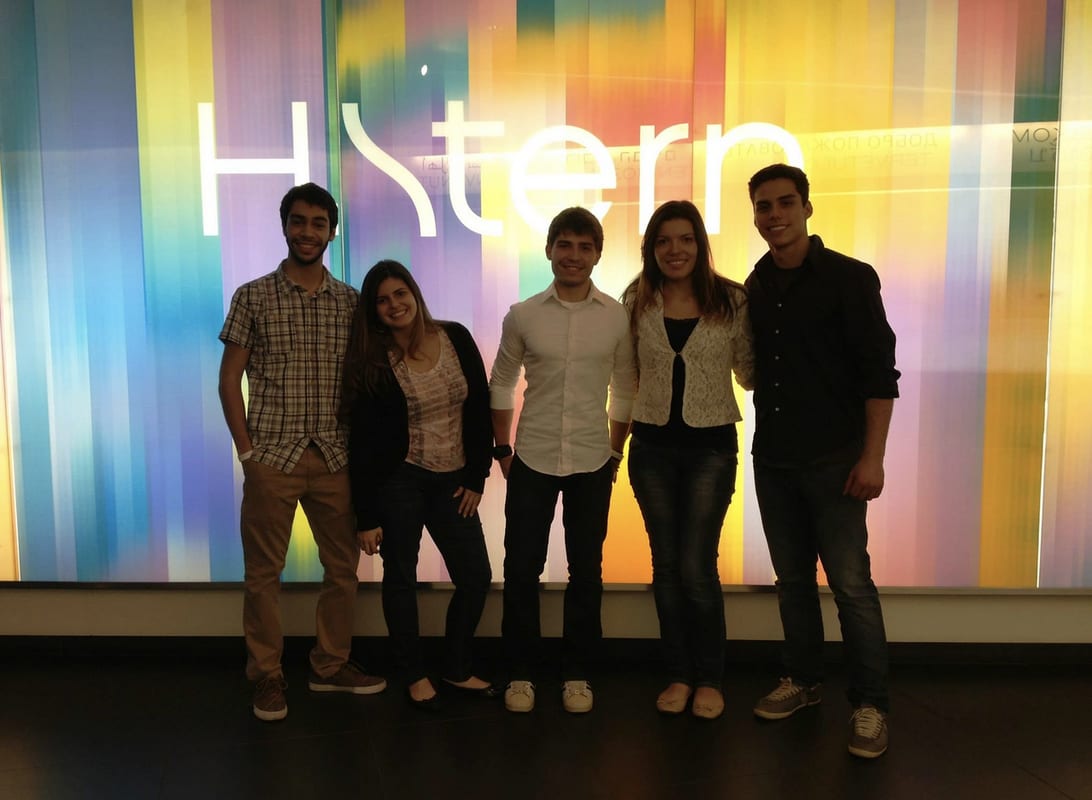
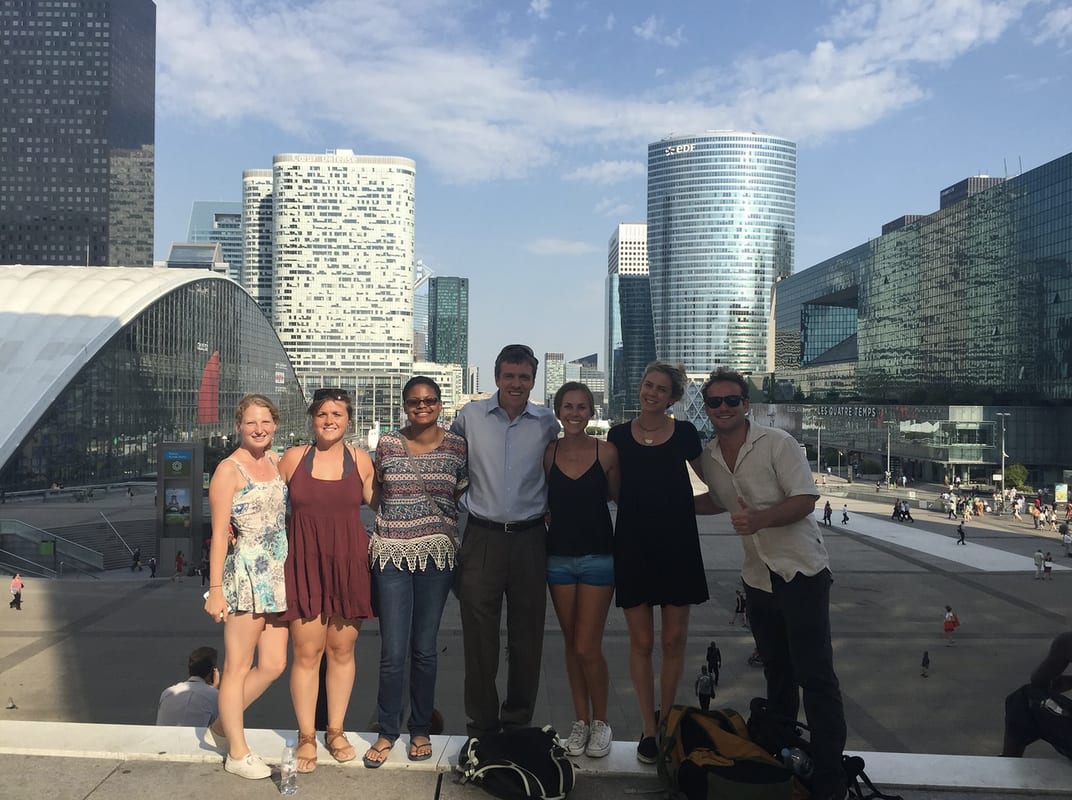
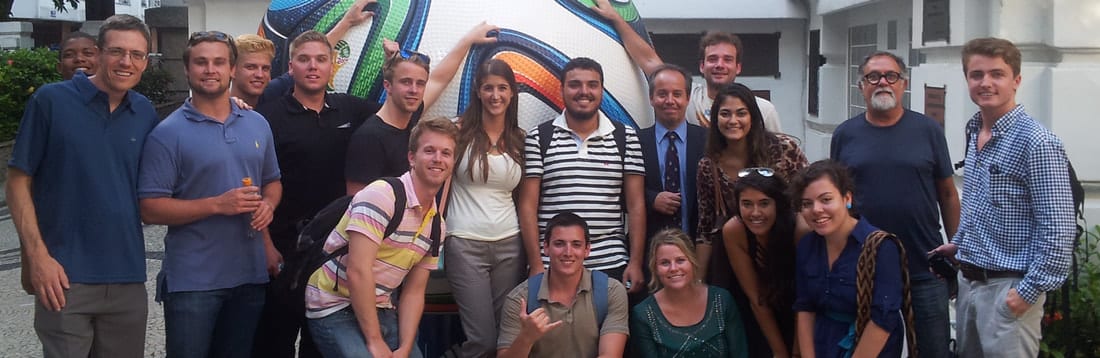
A professional visit gives students a concrete organization or institution to examine. A cultural visit helps them interpret the history, values, norms, public life, and everyday routines around it.
Examples by region
Planned visits vary by session because the route, course themes, cohort, and local availability vary. Students can ask which companies, institutions, cultural sites, or local experts are planned for the session they are considering.
Europe
Europe can place students near regional integration, regulation, governance, organizational culture, media, tourism, finance, and public life.
Brazil
Brazil can show students how economic scale, social complexity, culture, language, media, and local institutions shape decisions inside one national context.
Companies and organizations
Summit programs may include companies, public institutions, NGOs, cultural organizations, local experts, and professional teams. The specific organizations vary by program, location, academic focus, and availability.
Request current visit plans, course materials, route details, and credit context for the session you are considering.
What students carry forward
By the end of a route, students have examples gathered across several cities: class notes, assignments, and stories they can use in coursework, advisor conversations, interviews, and professional life.
Institutional settings
Students carry course themes into the visit, then return with observations to compare and discuss.
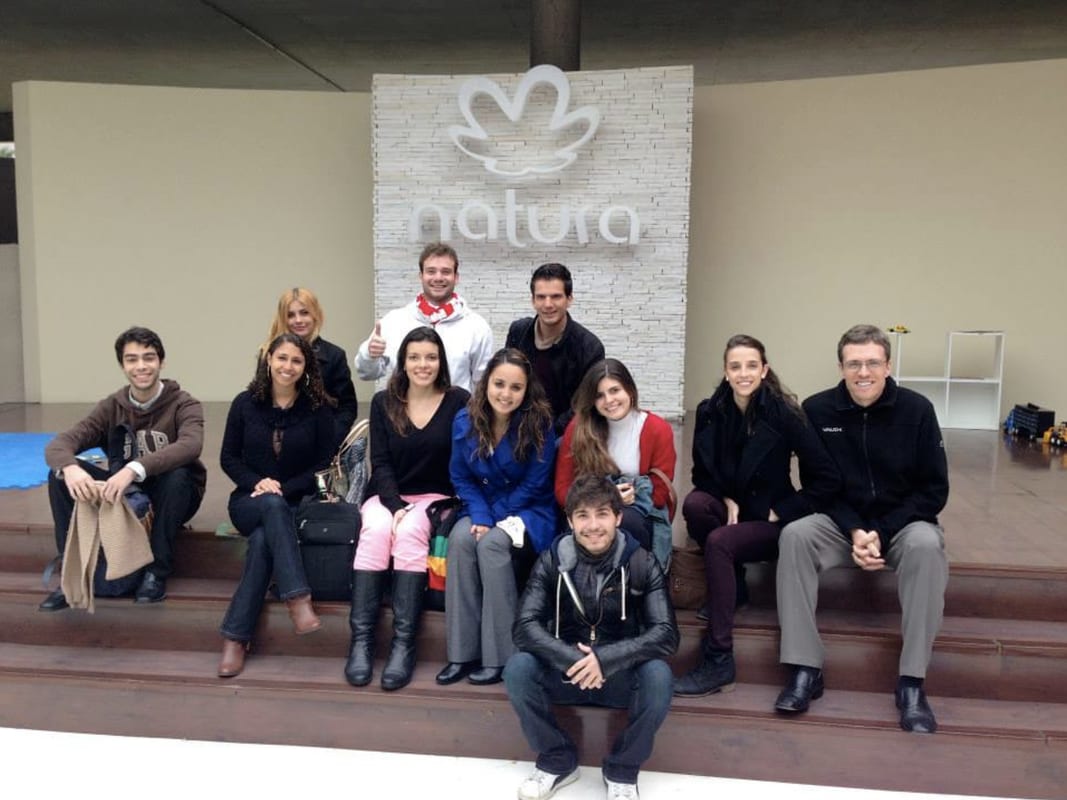
Professional settings
Professional visits help students see how location shapes decisions, communication, and collaboration.
Cultural context
Cultural visits give students social and historical context for interpreting what they see in professional settings.
Next step
Request information about programs, courses, planned visits, credit materials, housing, cost, and timing before you decide what fits your school and plans.