Start with a credit-bearing course
Students begin with credit-bearing courses their school can review, then use the route to test ideas against what they see abroad.
 Summit Global Education
 Why study abroad
Students can take a course at home. Study abroad is different when the class, the route, the visits, and the people around them help turn another place into something they can study.
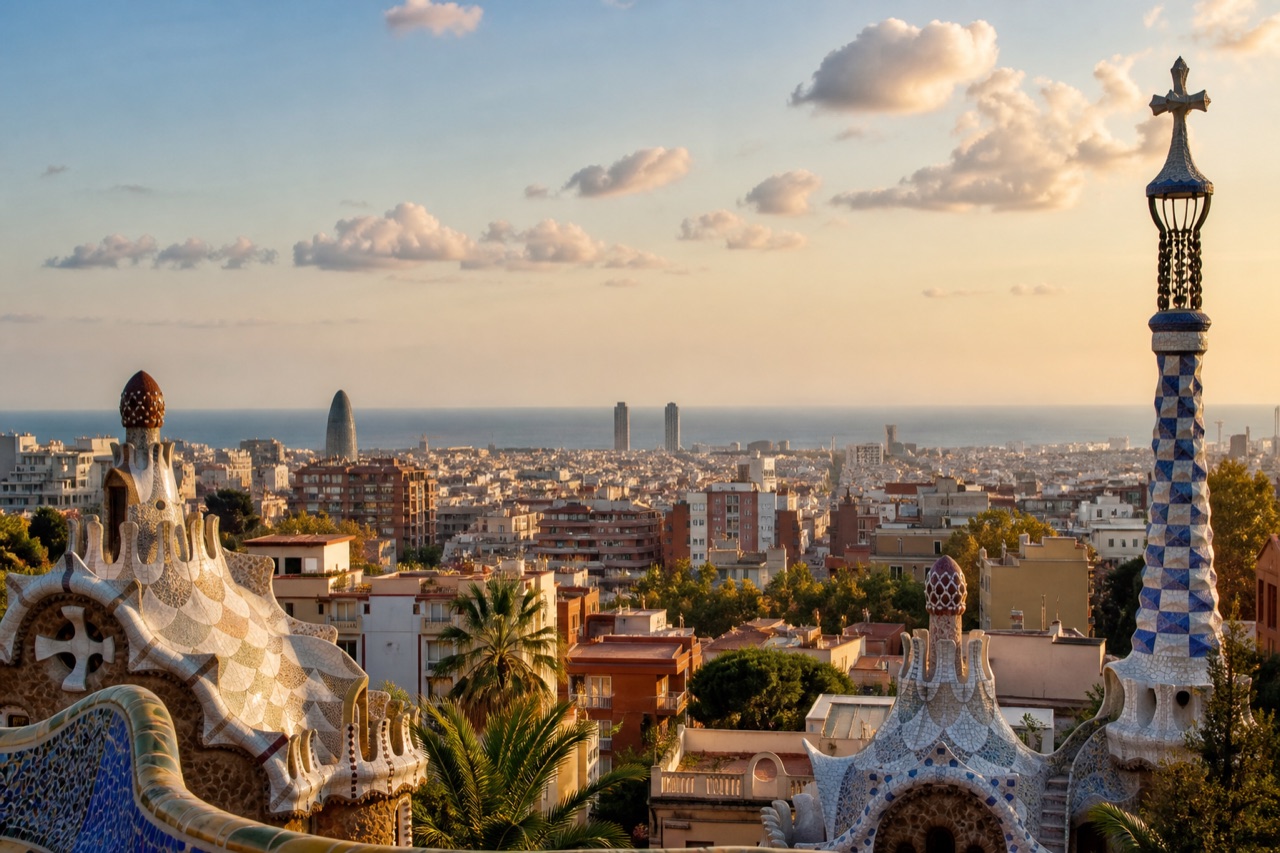
Academic travel
The city becomes part of what students study.
Why it matters
Summit programs are built so students do more than visit new places. They study, observe, ask questions, and come home with examples that make the coursework and the experience easier to explain.
For students
Students practice communicating, adapting, and making decisions in unfamiliar settings while earning credit through structured coursework.
For families and advisors
When students can explain what they will study, where they will go, how support works abroad, and what to ask their school before applying, the decision becomes easier to review.
Course and route
Students study in class, then use professional visits, cultural experiences, neighborhood walks, and faculty-led discussion to support assignments.
Students begin with credit-bearing courses their school can review, then use the route to test ideas against what they see abroad.
Professional visits, cultural experiences, neighborhoods, and travel days give students examples they could not get from a classroom alone.
Faculty-led discussions and assignments help students analyze what they saw and explain the academic experience to their school.
What students gain
Changing cities gives students repeated chances to notice how context shapes decisions, communication, public life, and daily routines.
Students practice listening carefully, asking better questions, and explaining ideas across different cultural and professional settings.
Moving through new cities with a structured group helps students handle different routines, environments, and expectations without being on their own.
Students see how local context changes business decisions, public life, communication, and everyday routines, then compare those examples in class.
Students come home with examples they can use in coursework, advisor conversations, interviews, and conversations with family about what the experience meant.
What it looks like
Students learn in class, carry course themes into the city, and come back with concrete examples to discuss.
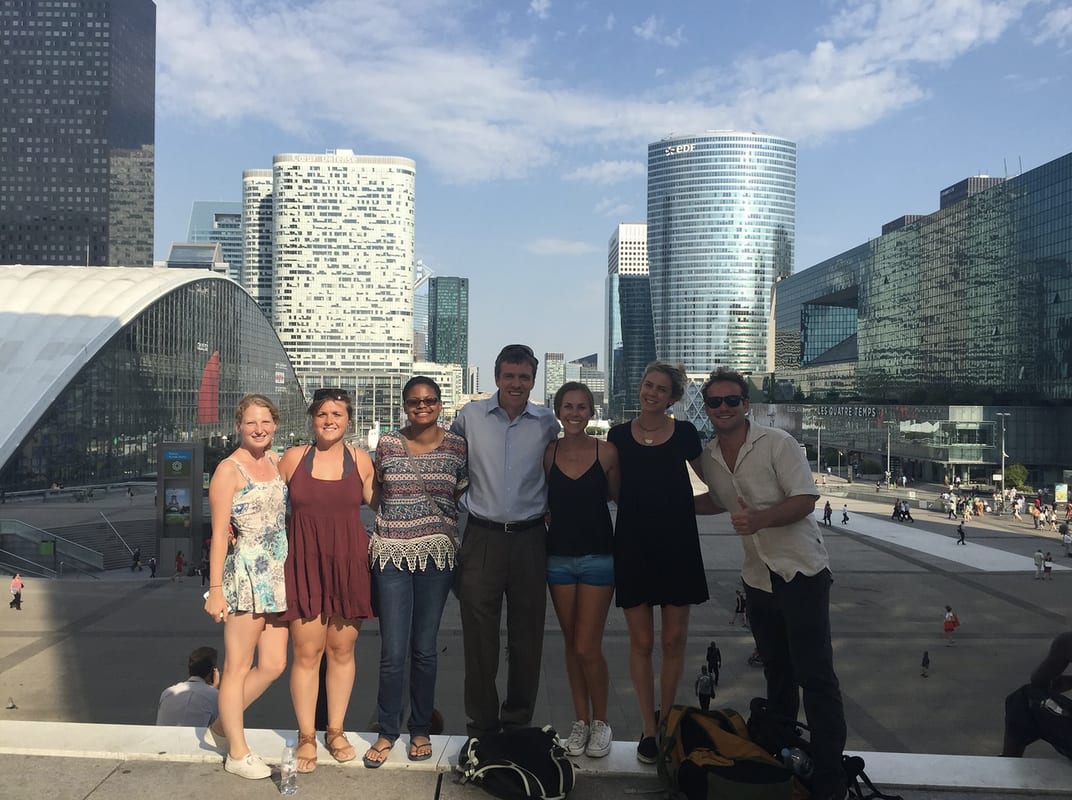
What changes city to city
A business district, public institution, or neighborhood walk can become an example students discuss in class.
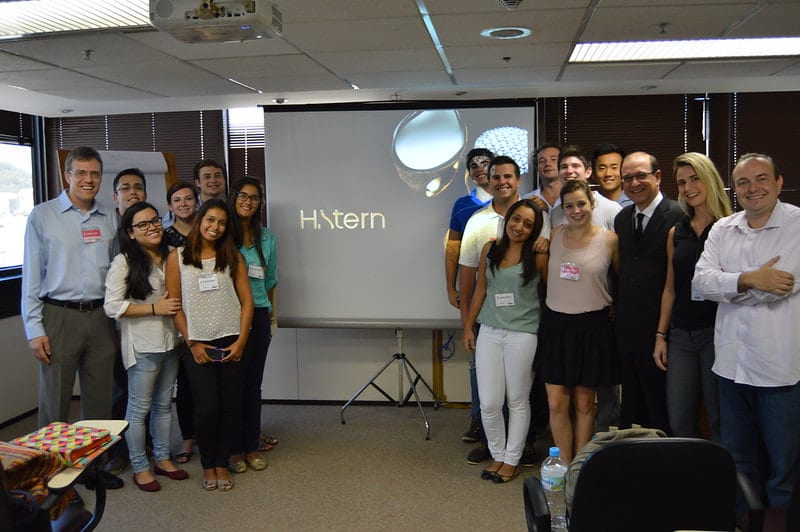
Company visits
Students can examine how an organization communicates, makes decisions, and responds to its local setting.
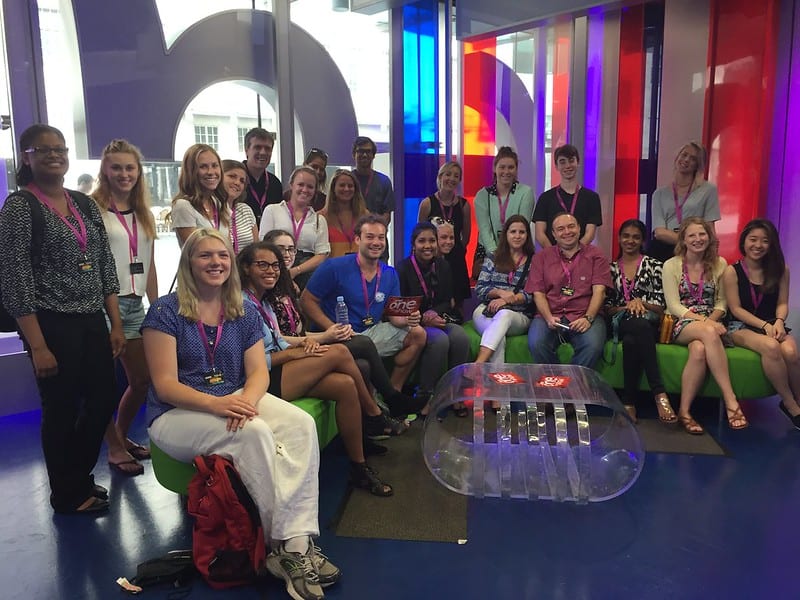
With the group
A shared cohort gives students familiar classmates for travel days, class expectations, city walks, and discussion.
Academic structure
Summit programs pair credit-bearing coursework with place-based learning. Students know what they are studying, what their school can review, and why the route matters academically.
Coursework
Up to 6 credits
Students can explore courses covering business, culture, communication, language, and regional learning.
Route
Multiple cities
Movement between places helps students see how different settings shape decisions, expectations, and public life.
Reflection
Guided reflection
Faculty guidance turns contrast across locations into structured analysis.
Where students go
Each destination gives students examples they can see directly: how organizations make decisions, how culture shapes those decisions, and how daily city life affects people and institutions.
Europe
Barcelona brings the Europe route into a Mediterranean city shaped by business, design, tourism, trade, urban identity, and regional culture.

Europe
Paris gives students a major European capital for studying business, culture, institutions, global brands, public life, and the relationship between prestige and daily urban systems.
Europe
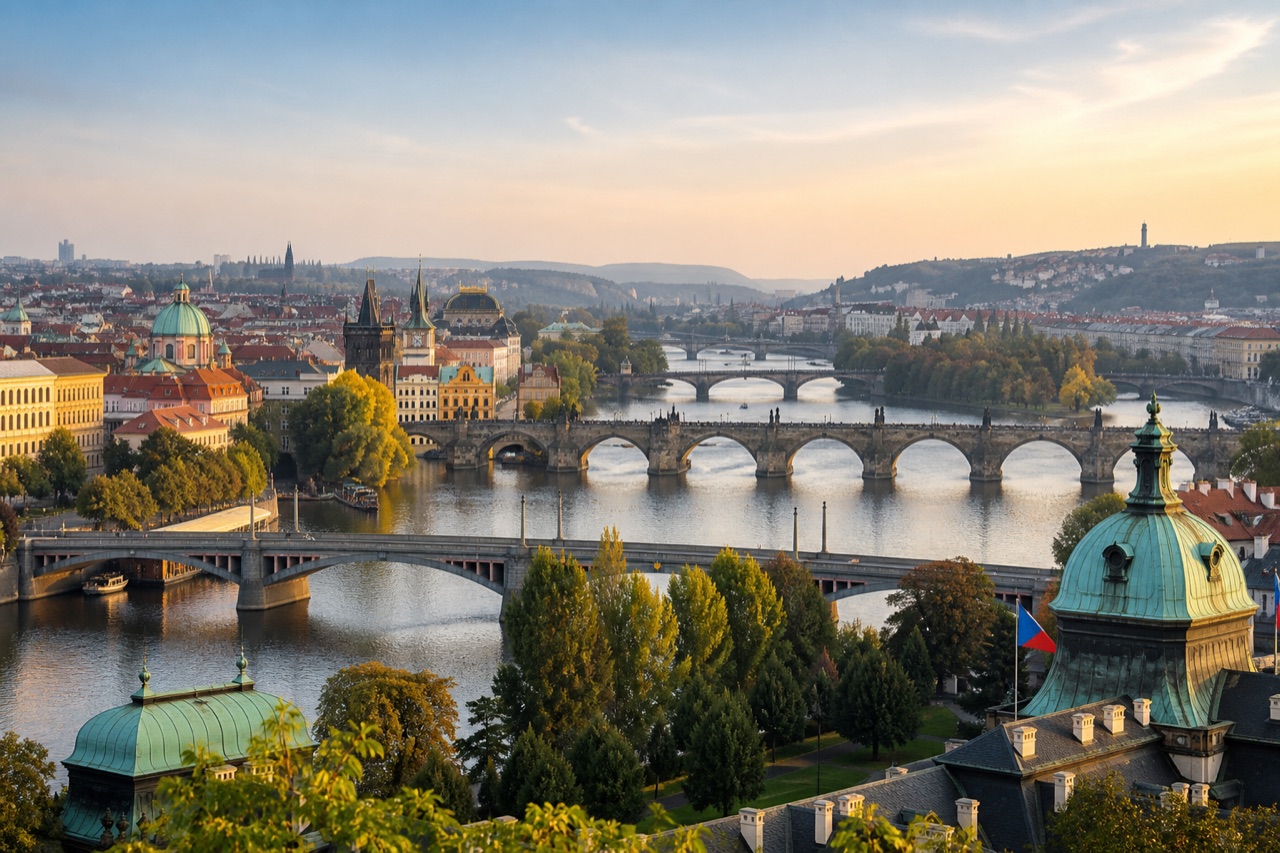
Prague gives the Europe route its UNYP university context through University of New York in Prague.

Primary Brazil route
The Brazil route uses Sao Paulo, Paraty / Green Coast, and Rio de Janeiro to study business, Portuguese language, culture, heritage, and city life inside one major economy.
Before applying
Before deciding, review credit, cost, support, advisor requirements, and the current program information Summit can provide for the student's situation.
Review the credit-bearing courses available in Europe and Brazil.
See the cities that give students different academic and cultural settings to compare.
Explore Prague, London, Paris, Barcelona, and Athens.
See what a home university may need before approving transfer credit.
Review scholarship, school funding, and budget questions before applying.
Understand preparation, communication, support, and what to ask before departure.
See how UNYP and ESPM fit into Summit programs in Europe and Brazil.
Next step
Request course, credit, timing, cost, support, and program information before the decision gets serious.